lifestyle
Aurora Housing Market Guide: Costs, Access, Infrastructure Breakdown
Navigating the city's housing market requires a sharp eye on infrastructure and regional zoning shifts.
How we reported this
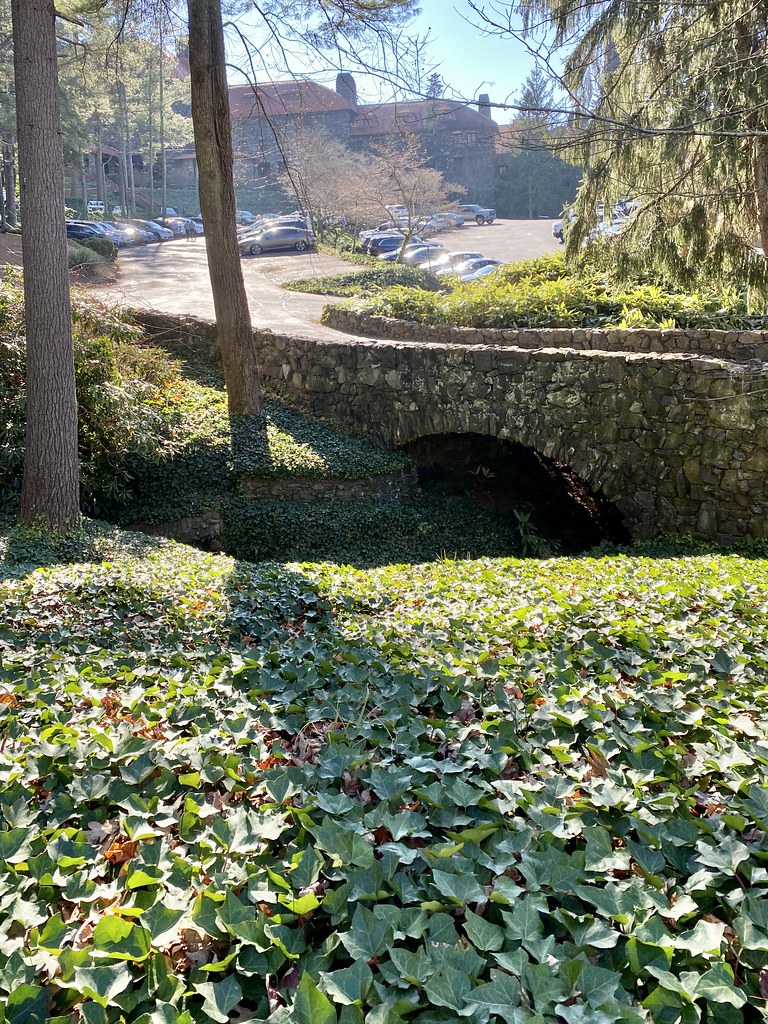
Finding a foothold in Aurora’s competitive property market requires more than just capital; it demands an understanding of the city’s evolving transit corridors and the distinct character of its peripheral districts. As residents reassess their living priorities, the balance between proximity to the central business district and the availability of essential lifestyle infrastructure has become the primary driver of relocation trends.
The Shift Toward Transit-Oriented Living
Neighborhoods flanking the North Shore light rail extension are seeing an uptick in demand, particularly among professionals working in the tech sector near the harbor. Areas like The Exchange and the heritage-listed lanes of Old Mill District have transitioned from industrial zones into dense residential hubs. Residents in these parts often cite the convenience of the city’s integrated transit loop as a major factor in their long-term stay. Conversely, those seeking more space are moving toward the Highland Terraces, where the Aurora Regional Council recently greenlit the expansion of parklands near the community center.
Analyzing Market Access and Zoning
For prospective residents, navigating the city’s housing programs is a critical step before signing a lease or mortgage. The Aurora Housing Authority maintains a public registry of developments that fall under the Affordable Housing Initiative, which provides residents with access to controlled-rate housing in high-demand zones. According to the June 2026 Housing Market Report published by the municipal planning department, rental vacancy rates in the inner-ring suburbs remain tight, hovering at low single digits. Potential tenants should monitor the City of Aurora portal for updates on the next round of developer levies, which often dictate the future supply of multi-family units in the Southern Reach corridor.
Before committing to a neighbourhood, spend a Saturday walking from the nearest transit stop to your potential front door. Assess the distance to primary facilities like the Aurora General Hospital or the local library branches that anchor community life. The city’s zoning board frequently posts notices of upcoming public hearings regarding new commercial developments, and reviewing these filings can offer a clear window into how your prospective block will change over the next several years. If you find yourself leaning toward the historic core, investigate the specific building codes for the neighborhood, as renovation restrictions in the Heritage Protection Zone can influence everything from utility upgrades to external aesthetic changes.