lifestyle
Aurora’s Culinary Identity: What Makes This City Unique Compared to Others Around the World
From the bustling food halls of the Industrial District to the high-end fusion kitchens of the Harbour Precinct, Aurora’s dining scene is defined by a relentless commitment to local provenance and hyper-seasonal ingredients.
How we reported this
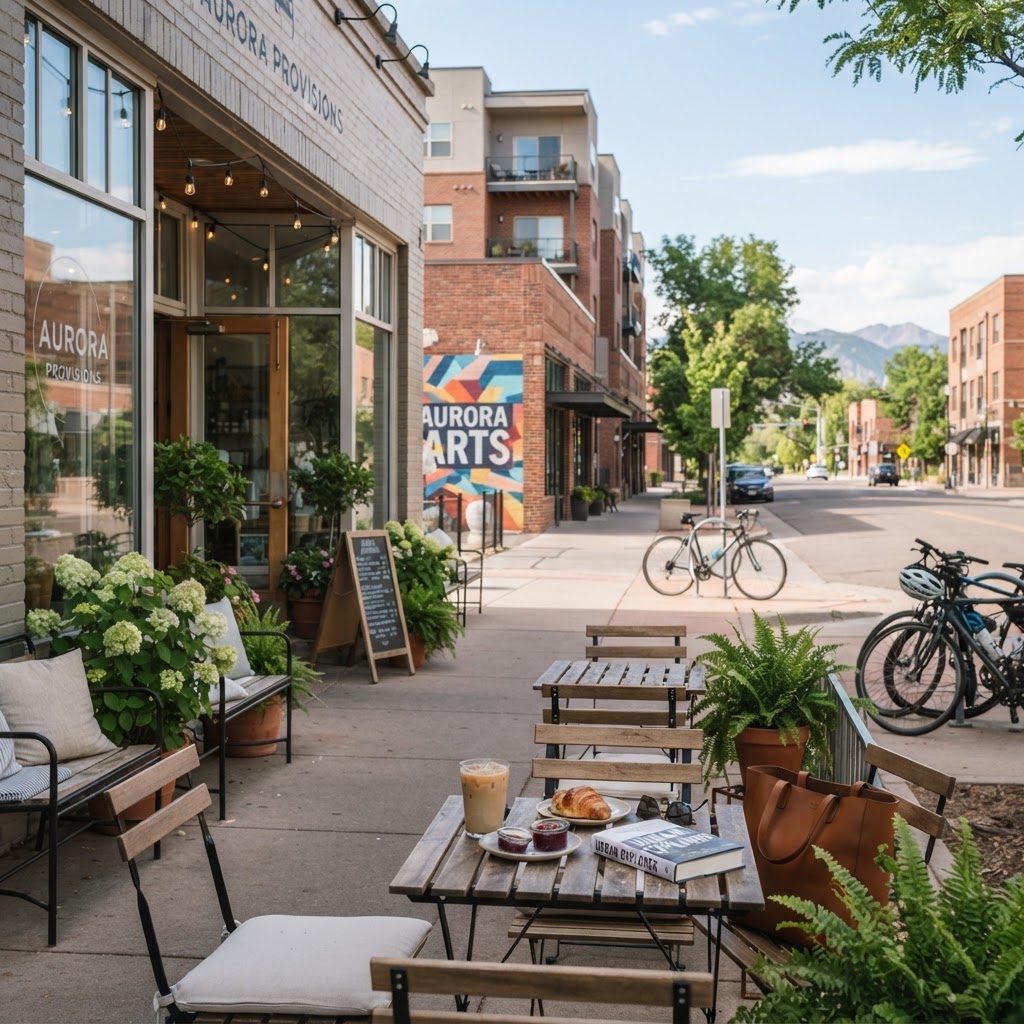
The culinary landscape in Aurora has shifted decisively this season, moving away from international mimicry toward a distinctly regional philosophy that prioritizes the hyper-local harvest. As global dining hubs like Paris and Tokyo grapple with supply chain disruptions, Aurora has leveraged its proximity to the Northern agricultural belt to create a food culture that is essentially self-sustaining. This transition has redefined the city’s identity, positioning our dining rooms as laboratories for what chefs are calling the 'Aurora-First' movement.
The Geography of Flavour
The city's unique position at the confluence of the Silver River and the coastal wetlands provides chefs with a rare diversity of proteins and flora. At The Copper Hearth on Baker Street, the kitchen staff has abandoned imported spices in favour of locally foraged coastal herbs, creating a menu that reflects the salty, mineral-rich terroir of the Aurora bay. This approach stands in contrast to the heavily branded, predictable experiences common in cities like Dubai or Singapore, where global uniformity often takes precedence over local character.
In the historic Industrial District, venues like Iron & Grain have repurposed old manufacturing spaces to facilitate communal, open-fire cooking. By focusing on a rotating menu that responds to the specific micro-climates found in the suburban orchards surrounding the city, these establishments avoid the trap of generic high-end dining. It is this refusal to compromise on regional sourcing that separates an Aurora dinner from the standard fare found in metropolitan giants across Europe or North America.
Economics of the Plate
Data released by the Aurora Hospitality Association on July 1, 2026, indicates that dining establishments sourcing more than 80% of their ingredients from within a 100-kilometre radius have seen a sustained increase in patron engagement over the last two quarters. While inflation has pushed menu prices higher globally, restaurants in the Central Plaza area have managed to stabilize costs by eliminating the middleman and contracting directly with cooperative farms in the outer valley.
The current market trend shows that diners are increasingly willing to pay a premium for transparency. According to the June 2026 Industry Report, the average cost of a three-course tasting menu featuring locally sourced ingredients has risen modestly compared to last year, yet reservation wait times at top-tier venues like The Copper Hearth remain at an all-time high. This suggests that for the Aurora consumer, the premium is not just for the food, but for the assurance of regional authenticity.
For those looking to explore this shift, the most effective strategy is to look beyond the high-street chains. Focus on venues participating in the City Council’s 'Grow Local' certification program, which audits kitchens to ensure they meet strict regional procurement standards. Booking mid-week, particularly on Tuesday or Wednesday evenings, is now essential to secure a table at the city's most sought-after establishments as they continue to refine their seasonal offerings for the upcoming harvest festival.