property
The Rent-Vesting Strategy Explained for This Market
Rising home prices have more Aurora residents weighing rent-vesting: renting where you want to live while investing where you can afford.
How we reported this
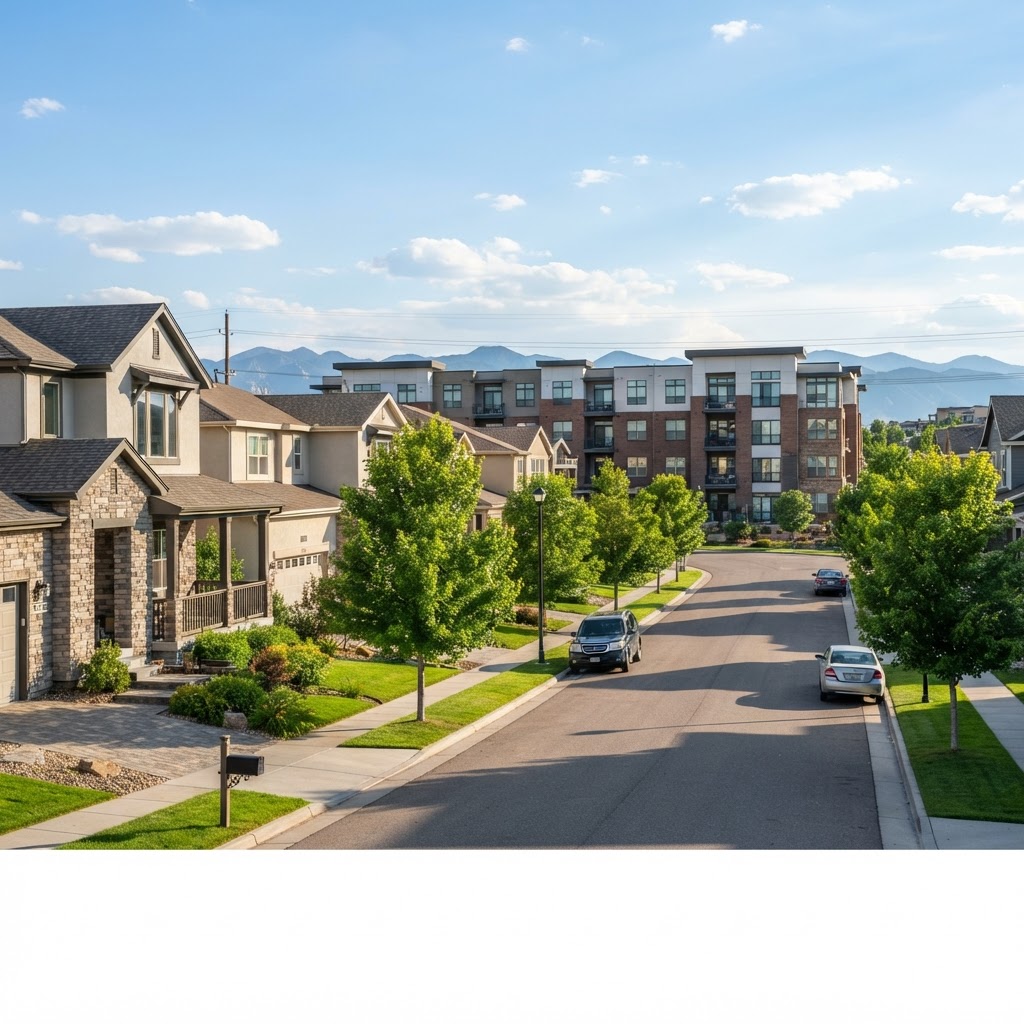
Rents are climbing across Aurora, with median monthly lease rates topping $2,050 in May, but the city’s surging home prices are spurring a new kind of property play: rent-vesting. More locals are questioning whether to buy their first home, or instead rent in their preferred neighbourhood while building equity as landlords elsewhere.
Why Rent-Vesting Is Taking Hold
Affordability gaps have sharpened in 2026, as Aurora’s property market continues its relentless upward trend. The city median sale price hit $461,000 in June, according to the Tri-County Realty Consortium, up nearly 14% over the past year. For many working professionals, especially those early in their careers or prioritizing urban amenities, buying in downtown or the thriving Rose District now feels out of reach.
Yet, as Aurora Metropolitan Housing Authority’s April survey found, annual price growth is racing far ahead of wage increases. At the same time, Aurora’s industrial corridor-stretching along Airport Boulevard-remains a pocket of lower-cost investment opportunities, with townhomes selling from $290,000. Enter rent-vesting: residents rent where their lifestyle demands (say, near Stanley Marketplace in Stapleton or coffee shops on Havana Street), while purchasing an investment property in upcoming areas such as Sable Altura Chambers.
Crunching the Numbers
Not everyone can lock in a conventional 20% down payment-especially with Aurora’s average down payment now sitting at $62,000 based on recent figures from Aurora Homeownership Hub. Average rents for two-bedroom apartments reached $2,050 per month in May, according to the city’s Rental Portal.
In the heart of City Center, first-time buyers face stark numbers: a median-priced condo with 5% down translates into monthly payments around $2,750 (with today’s 6.2% average mortgage rate from Colorado State Credit Union), not including HOA fees or property taxes. But a rent-vester living in North Aurora can rent a modern flat for $1,850 and invest in a two-bedroom single-family home in Tollgate Overlook for $310,000-letting the tenant’s rent cover much of the mortgage.
Data from Local Landlord Network shows the city’s average gross rental yield for entry-level properties hovers at 5.8%, making these outer-ring investments a compelling wealth-building tool-especially for those priced out of owning where they work or socialize.
How to Start-and What’s Next
For residents weighing rent-vesting, local brokers advise a sharp focus on numbers. Factoring in property management fees (typically 8-10% in Aurora), vacancy rates, and potential repairs is essential. Mortgage options for investment properties differ, often requiring higher down payments and stricter lending standards. Prospective rent-vesters should consult with both a certified financial planner and a lender familiar with investor mortgages, such as those offered by Urban Bank on Colfax Avenue.
City officials at Aurora Housing Connect say growing demand for rentals could further accelerate rents in the city’s core, even as more buy-to-let investors snap up affordable properties on Aurora’s edges. Watch for new zoning proposals near E-470, designed to stimulate more multifamily development and ease entry points for local landlords. With the Iran war rippling through global financial markets and interest rates showing signs of volatility, Aurora’s housing equation could shift again before year’s end-but for now, the rent-vesting playbook offers a bridge between renting and rising property wealth.
This article is general information only and is not personal financial or investment advice. Consider your own circumstances and seek licensed professional advice before making financial decisions.